








The UK non‑dom regime has been abolished and replaced by the new Foreign Income and Gains (FIG) regime
From 6 April 2025, the UK tax landscape for UK residents has undergone one of the most significant reforms in a generation. The UK non‑dom regime, and with it the remittance basis of taxation, has been abolished, replaced by the new Foreign Income and Gains (FIG) regime.
Under the new rules, all UK residents are taxed on their worldwide income and gains as they arise unless they qualify for the FIG regime. Those treated as long‑term residents will also be subject to UK Inheritance Tax (IHT) on their worldwide assets. While the FIG regime provides time‑limited relief for qualifying new arrivals, it also brings a shift to a simpler, fully residence‑based system.
For many individuals, these changes raise a number of questions including: how will existing structures be treated, how can exposure be managed during the FIG relief period, and what will the transition to full worldwide taxation mean for long‑term planning? As with any major reform, the rules come with complexity — and careful planning will be essential.
For individuals with overseas income, assets or business interests, these changes may materially affect your tax exposure and your long-term planning. Understanding the new framework and taking action early is essential.

From April 2025 all UK-residents are taxed on their worldwide income and gains as they arise, unless they qualify for the FIG regime.
Those who meet the criteria for Qualifying New Residents (QNRs) can claim FIG relief for their first four consecutive UK tax years, during which most foreign income and gains will not be subject to UK tax even if brought into the UK.
The UK has moved to a residence-based tax model reducing complexity for globally mobile individuals. Domicile is no longer relevant for income tax and capital gains tax.

Those individuals previously using the remittance basis may see higher UK tax exposure once the FIG period expires. Overseas income, gains and investment structures may now need a more proactive approach.
Your residency pattern will become even more important. Remittance and offshore arrangements may need to be reviewed and asset location and investment strategy may require adjustment.
Planning is key to ensure you make the most of the four-year window and accurate tracking of foreign income and gains is essential. Longer term residents should review their non-UK assets to understand the UK treatment.
John Bull, Head of Private Client & US/UK Private Client and Sean Drury, Head of Tax take a strategic perspective on the FIG regime – setting out not just how it works, but what it means in practice for the UK’s attractiveness. With a focus on real‑world implications, planning challenges and future direction, they highlight why early advice is critical.
For many individuals, particularly expats, returning nationals and long-term non-doms, the changes will have practical, financial and administrative implications.
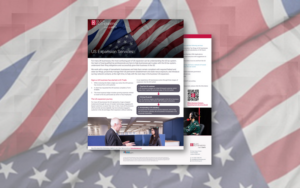
What’s changing? What does this mean for you? What should you do next? Get a quick overview of how FIG applies to your overseas income, assets and structures. This short guide highlights what may qualify for relief, how to plan during the four‑year window, and the considerations you should make around remittances, offshore structures and your UK residence pattern.
Download our two-page guide for answers to this and more.
The challenges facing tax advisors and trustees following changes to the UK’s non-domiciled tax regime
The abolition of the UK’s non-domiciled tax regime is causing several practical and complex challenges. Read more about this here.
FIG Regime What You Need to Know
This week on The Tax Factor, John Bull and Sean Drury focus on the Foreign Income and Gains (FIG) regime, one of the most significant recent changes to the UK tax landscape for internationally mobile individuals. They begin by outlining how the regime works in practice, who it applies to, and how it differs from the previous remittance basis.
The episode analyses the practical implications for taxpayers, particularly the increased reporting requirements and compliance burden that come with the new rules. John and Sean discuss the challenges individuals now face as they navigate the regime for the first time, as well as the potential cost and complexity involved.
They also consider the wider impact on employers and globally mobile workforces, alongside the policy intent behind the regime and whether further changes may be on the horizon.
Suzanne Briggs, Oliver Horrocks and Anna Raguszewska outline how the new FIG regime works, who it applies to, and the key planning and reporting considerations for UK private clients.
Ross Annand and Libby Cade from the US/UK Private Client team provide a practical overview of the UK’s new FIG regime and highlights the investment, employment and trust‑related pitfalls US persons commonly face when their assets come within the scope of UK tax.
If you would like to discuss any of the above in more detail, please contact one of the team below, or through your usual Blick Rothenberg contact.