






From January 2026, new UK accounting standards with changes to revenue recognition and lease accounting could significantly impact your financial statements

FRS 102 is changing – are you prepared?
Understanding the upcoming changes to FRS 102 – What businesses need to know
There are two key areas where major updates are coming: Revenue recognition and lease accounting.
These changes bring UK accounting standards closer to international financial reporting standards (IFRS) and will have a significant impact on how businesses present their financial statements.
What does this mean for you and how can you stay ahead of the changes?

Financial Reporting
With changes in revenue recognition policies, the reported revenue and profit may change

Key Metrics
With leases now on the balance sheet, key metrics such as EBITDA will be affected and this may impact on loan covenants or how investors view your business

Training
Your finance team will need to be familiar with the new rules and understand how this may affect your business

Internal Systems
You should review your processes urgently and, in some cases, consider whether your accounting processes or systems need to be updated to comply
How we can help
Our team are on hand to support you with this transition. We offer a range of services to help you prepare for these changes tailored to the needs of your business.
It’s important to understand how you’ll be affected by these changes:
- Review your customer contracts to consider whether there are changes to revenue recognition policies, for example with bundled services
- Review your lease agreements to assess whether leased assets and liabilities need to be capitalised
- Understand the impact on your management accounts from January 2026 and your statutory accounts from December 2026
- Calculate the impact of revenue and lease changes and consider treatment of transition requirements to comparative results
- Train your team on the new requirements
- Talk to key stakeholders who may rely on the accounts, including lenders or investors
Latest client story videos
September 26, 2026
FRS 102 and the new changes coming into effect – Top 3 Surprises
Kish and Tom discuss the top 3 surprises we're seeing as we help clients prepare for the changes.

September 26, 2026
FRS 102 and the new changes coming into effect – Restaurant client case study
Kish and Tom discuss FRS102 and the impact on one of our clients in relation to debt covenance

September 26, 2026
FRS 102 and the new changes coming into effect – Coffee client case study
Kish and Alex discuss a retail client and how the revenue changes affected their business.
Our latest webinar
What CFOs need to know about revenue recognition and lease accounting changes
FRS 102 is changing – are you prepared?
In this practical and interactive webinar we break down what these changes mean for CFOs and finance leaders, what you need to be thinking about now, and how to avoid surprises when the new standards take effect.

What you need to know
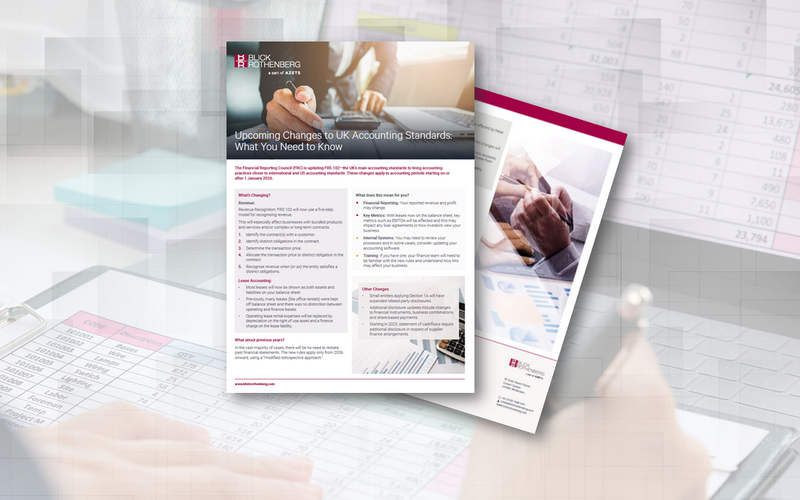
The Financial Reporting Council (FRC) is updating FRS 102 – the UK’s main accounting standards to bring accounting practices closer to international and US accounting standards.
These changes apply to accounting periods starting on or after 1 January 2026. What’s Changing? What does this mean for you? What should you do next? Read our 2-page guide for answers to this and more.

Videos
What the FRS102 changes mean for UK businesses
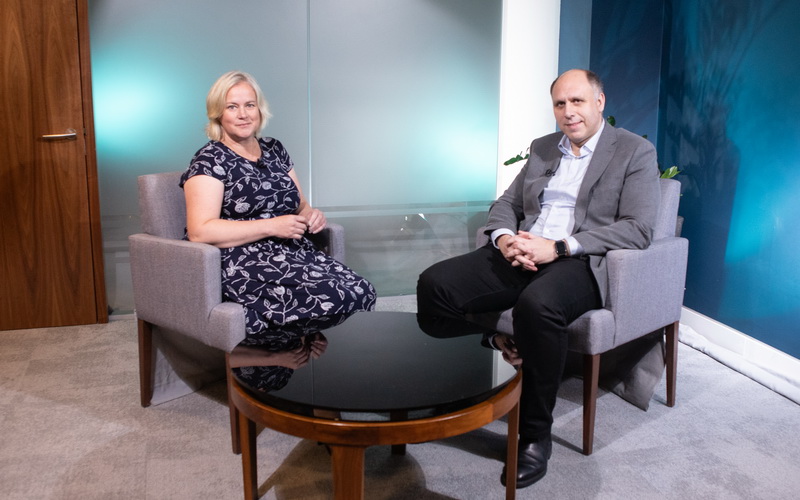
Julia Burn, Head of the Accounts Team within Entrepreneurial Services, and Marc Levy, Head of Entrepreneurial Audit at Blick Rothenberg, discuss the upcoming changes to FRS 102 and what they mean for UK businesses.
Changes to FRS102 and it’s alignment to International standards
Partner and Technology lead Nick Winters, alongside new Media lead Mandy Girder talk about the upcoming changes to Financial Reporting Standard 102 (FRS102) and some principal differences in relation to leases and revenue, particularly for mid-market firms.
Watch their video in full to understand what can be done now to prepare for the changes ahead.

Insights
Changes affecting small company financial reporting
After a period of relative stability in the financial reporting landscape for small entities, a number of recent and forthcoming changes will bring about both greater scope for more entities to qualify as a small entity but within a short space of time be required to report under enhanced financial reporting requirements with the ultimate removal of filing exemptions which small entities previously benefitted from. Partner Sunil Bhavnani tells us more.

What do landlords need to know about the new rules for operating leases?
Businesses whose accounts are drawn up in accordance with Financial Reporting Standard 102 (FRS 102), will be reporting operating leases (including leases for properties) in accounts beginning on or after 1 January 2026. Landlords therefore need to ensure they understand the impact of the new accounting rules, so that they have a full understanding of the ability of their tenants to meet their rent liabilities. Partner Mark Cunningham looks at the changes, the impact, and the exemptions.

Other client stories



Our services
Audit and Assurance
- Statutory audits
- Financial statement preparation
- Regulatory compliance
- Grant and other non-statutory audits
Tax Services
- Corporate tax compliance and advisory
- VAT services
- Payroll services
Business Advisory
Outsourcing Solutions
- Bookkeeping
- Management accounting
- Treasury services
How we can help you
Experienced Team
Deep expertise across a range of sectors
Strong understanding and depth of service
Specialists to support all your mid-market needs
Strength in Numbers
Over 80 partners and directors
More than 800 staff members
Client-Centric Approach
Partner-led service
Personalised solutions
Long-term relationship focus
Global Reach
Member of Allinial Global
Access to international resources
Support for cross-border operations

Our experts




Would you like to know more?
If you would like to discuss any of the above in more detail, please contact one of the team below, or through your usual Blick Rothenberg contact.