








FRS 102 is changing – are you prepared?
From January 2026, updates to revenue recognition and lease accounting could significantly impact your financial statements
Julia Burn and Marc Levy explain what’s changing and how to get ahead
25 October 2025 | Authors: Julia Burn, Marc Levy
Understanding the Upcoming Changes to FRS 102 – What Businesses Need to Know
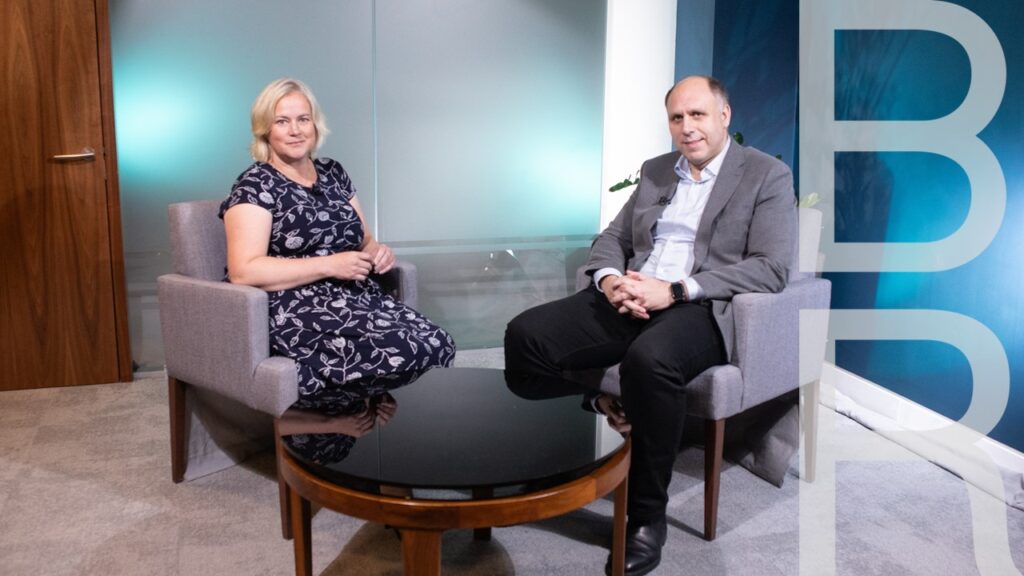
Julia Burn, Head of the Accounts Team within Entrepreneurial Services, and Marc Levy, Head of Entrepreneurial Audit at Blick Rothenberg, discuss the upcoming changes to FRS 102 and what they mean for UK businesses.
Two major updates are coming — revenue recognition and lease accounting. These changes bring UK accounting standards closer to international financial reporting standards (IFRS) and will have a significant impact on how businesses present their financial statements.
The two main changes to FRS 102 involve revenue recognition and lease accounting, with other modifications being less significant. The revenue recognition changes align UK accounting standards with international financial reporting standards by introducing a five-step model requiring detailed contract analysis to identify and allocate values to different performance obligations within contracts.
This change demands that businesses scrutinise their revenue streams and contract components to understand potential impacts on their financial reporting.
For lease accounting, the change is substantial: leases will no longer be recorded as simple rent expenses through profit and loss (P&L). Instead, companies must recognise a right-of-use asset and a corresponding lease liability on the balance sheet for the entire lease term.
This adjustment will significantly affect both the balance sheet and P&L, replacing rent charges with amortisation of the right-of-use asset and interest expense from the liability’s discount unwinding.
The changes will notably alter key financial metrics such as EBITDA, influencing how investors, lenders, and other stakeholders perceive company financials.
Though these changes only apply from the accounting year ending 31 December 2026, clients should adopt them sooner for management accounts to avoid discrepancies and surprises when year-end accounts are produced.
Early engagement with accountants, auditors, investors, and lenders is crucial to manage expectations and ensure governance compliance, particularly where financial covenants are tied to EBITDA or similar metrics.
Highlights
- Two major changes in FRS 102: revenue recognition and lease accounting
- Revenue recognition adopts a five-step model aligning with international standards
- Real-world example: mobile phone bills separating device and airtime charges
- Lease accounting now requires recognising right-of-use assets and lease liabilities
- Significant impact on profit and loss, affecting EBITDA and financial metrics
- Early adoption recommended to align management accounts with year-end statements
- Importance of early conversations with accountants, auditors, and investors
Your next steps
If you have questions, or wish seek advice to assess the impact of these changes on your financial statements we strongly encourage you to speak with your usual Blick Rothenberg contact, or Julia using the form below.
Contact Julia

You may also be interested in
FRS102 – Upcoming Changes to UK Accounting Standard – What You Need to Know

Changes to FRS102 and it’s alignment to International standards