







We paid the 5% second-home stamp duty charge – can we get it back?
CEO Nimesh Shah offers his advice
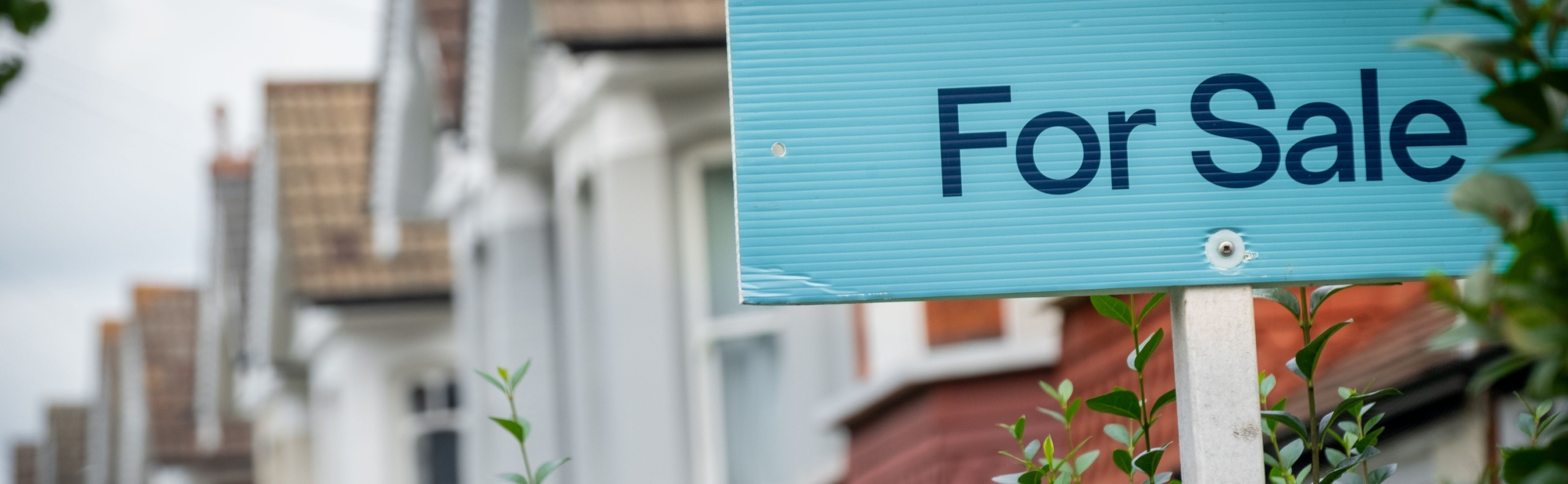
Many couples trying to buy their first property together are caught out by the complicated and illogical stamp duty land tax rules
First published by The Times here.
Question:
We had been renting our only home for nine years, but in 2025 we decided to buy another property as our main residence and home. My partner has a small house that she has owned for 15 years and is mortgage-free. Neither of us has ever lived in that property.
When we bought our new home and moved out of the rental, we had to pay the enhanced stamp duty rate. It was deemed that although the property my partner owns had never been a main home, for stamp duty purposes we were actually buying a second home, not our main house of residence.
We paid, but we believe that if we sell the small property within three years we can claim the enhanced stamp duty back. Is this the case? Also, can we assume that we should not be liable for capital gains on that sale, because we were made to pay enhanced stamp duty?
Nimesh responds:
Many couples trying to buy their first property together are caught out by the complicated and illogical stamp duty land tax rules.
When you and your partner jointly bought your home in 2025, the higher rates applied because one of you already owned another property. This adds 5 per cent to the standard stamp duty rates, so it is a significant additional cost, especially at a time when there are lots of other expenses.
So, can you reclaim that additional stamp duty? HM Revenue & Customs will only refund the additional 5 per cent if you sell what was previously your main residence within three years of buying the new one.
You had been renting and this additional property was never your main home, but selling a property that has never been your main residence does not meet the refund test. If you had lived in the other property as your main residence at any time in the past three years, the situation would be different.
The next logical question is whether you could move into the other property and then be able to claim it as a main residence. However, the stamp duty rules specifically state that the “old” property must have been your owned main residence before your purchase.
This is the harsh reality of this senseless system. If only we had a time machine you may have been able to consider buying the new home in your sole name.
For stamp duty purposes unmarried couples are tested independently, and because you do not have an interest in another residential property, the higher rates would not have applied to you. If you had been married this would not work because the rules treat married couples as one. Romantic tax advisers have even been known to delay their wedding to save the higher stamp duty cost.
If your partner still decides to sell the other property, she will need to consider capital gains tax (CGT). This does not apply if you are selling your main home because you benefit from what is known as private residence relief. However, as your partner has never lived there that relief is not available, so any capital gain will be wholly chargeable.
Everyone has an annual CGT allowance of £3,000. The rate at which you pay CGT is 18 per cent if you are a basic-rate taxpayer or 24 per cent if you are a higher-rate payer. It must be reported and paid within 60 days of the sale completion.
Given that you have recently bought your new home, I expect it is impractical for you to move into the other property to use as your main home – if you did, some private residence relief would be available to reduce the CGT bill. But this could have an effect on the relief when it comes to your new home, so you need to be careful that you don’t create a tax problem in the future.
Contact Nimesh

You may also be interested in

VAT due diligence: common issues for buyers and sellers

Tax simplification: easier said than done