





Commentary and analysis of the Chancellor’s Autumn Budget Statement
Bookmark this page to keep up to date with the latest news and insight from the Blick Rothenberg team

Commentary and analysis of the Chancellor’s Autumn Budget Statement
Bookmark this page to keep up to date with the latest news and insight from the Blick Rothenberg team
Our TaxFax guide, which outlines key tax information, has been updated to include the latest changes from the Autumn 2025 Budget.
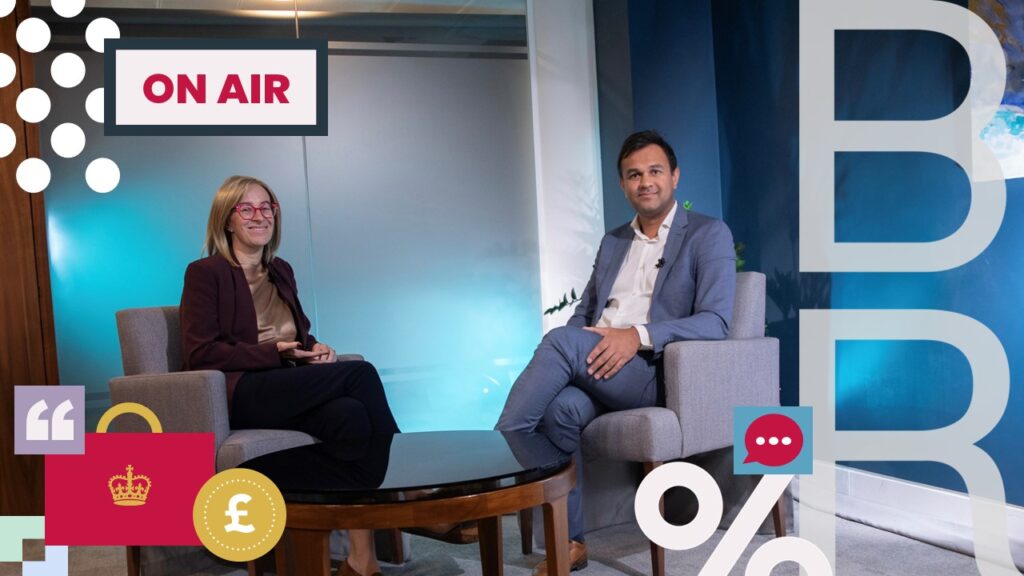
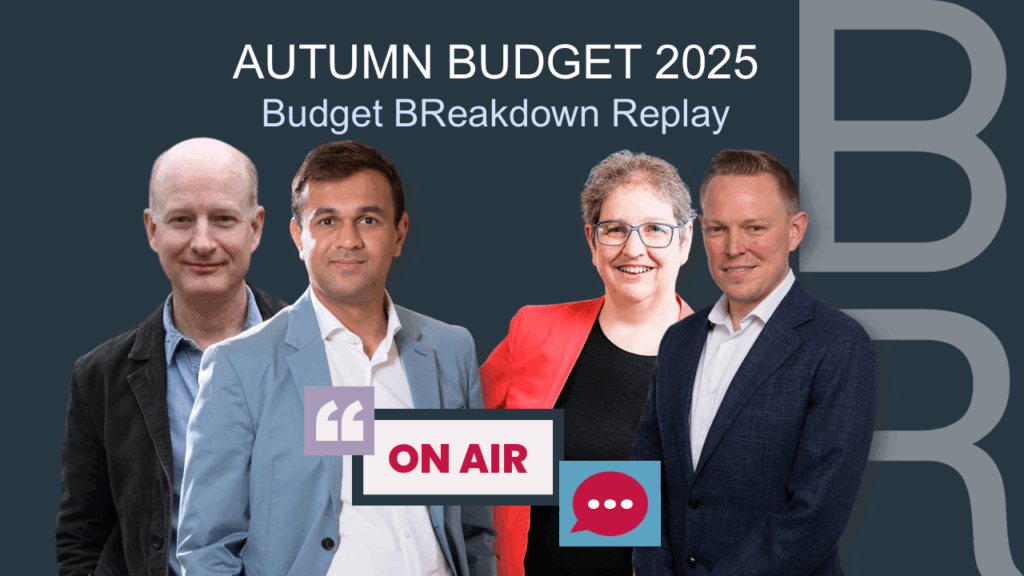
Journalist and broadcaster Simon Gompertz hosted a live Budget commentary from Blick Rothenberg’s Covent Garden studios on the afternoon of the Budget announcement.
He was joined by Nimesh Shah, CEO of Blick Rothenberg, and a panel of the firm’s leading experts to analyse the Chancellor’s announcements and discuss what they mean for you and your business.
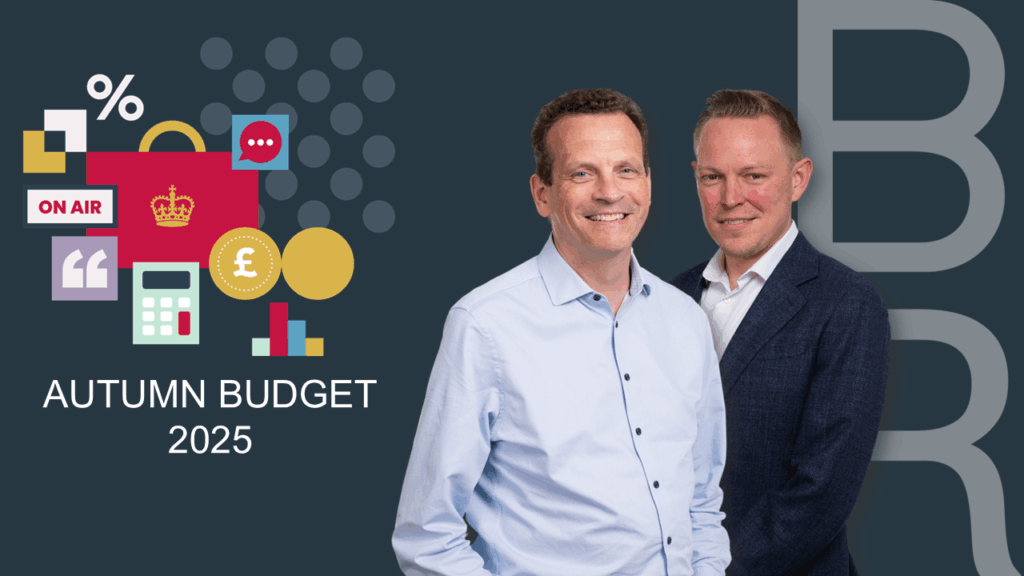
John Bull and Neil Insull break down the key takeaways from the Budget and what they mean for businesses and individuals.
For businesses, it’s a quiet year: no change to corporation tax, but a major shift is coming in 2029, when the salary-sacrifice limit for pension contributions drops from £60,000 to £2,000.
For individuals, income tax thresholds stay frozen until 2031, and a new 2% rate will be phased in on dividends (from 2026) and on savings and rental income (from 2027).
A steady Budget but with big changes ahead that will affect pensions and investment income in the years to come.
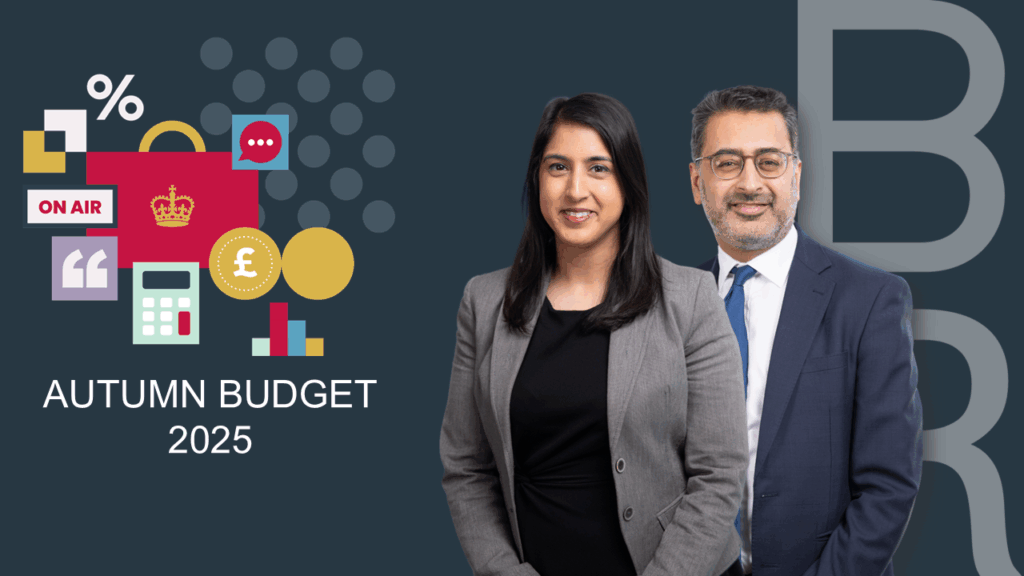
Mahmood Ramji and Mandy Girder review what the latest Budget means for businesses from people costs and business rates to SME incentives, apprenticeships and emerging tech.
They outline where support has been targeted, particularly for SMEs and sectors like leisure and hospitality, as well as the new cost pressures around remuneration, EV taxation and capital allowances.
Their discussion highlights the need for proactive planning: reviewing workforce strategies, making the most of available incentives and preparing for upcoming tax changes.
With fresh commitments to skills and AI, the Budget also points to new opportunities for growth.
Tomm Adams discussesthe major changes to pension salary sacrifice announced in the Budget with Saffron Pemberton-Jandu.
From April 2029, only the first £2,000 of pension salary sacrifice will qualify for NIC relief, a significant policy shift designed to raise revenue but one that will affect employees, employers and the wider labour market.
With a long lead-in period, organisations have time to plan, but the change will require careful consideration of reward structures, workforce impacts and future costs.
Proactive engagement and robust financial modelling will be essential to navigating the transition effectively.

Rachel Reeve’s Fiscal Drag Race – Pay now, pay later, pay even more later!
Heather Self and Heather Powell look at the Chancellor’s Autumn Budget statement.
There doesn’t appear to be an awful lot of good news and tax changes that raise as many questions as they answer for entrepreneurs, property owners, businesses and individuals alike.
What Could Be Coming?
Nimesh Shah, CEO of Blick Rothenberg, and Kelly Grieg explore the key themes and speculation surrounding the forthcoming Autumn Budget on 26 November. With the government facing a £40 billion fiscal shortfall, they examine the potential tax and policy measures that could shape the Chancellor’s response.
The conversation looks at likely areas of change – from Stamp Duty and Income Tax to National Insurance, Pension Reliefs, and Inheritance Tax, alongside the possible continuation of frozen allowances. Nimesh and Kelly consider what each scenario could mean for individuals, businesses, and the wider economy.
The Chancellor faces a delicate balancing act finding ways to raise revenue while managing public and business sentiment with decisions that may prove unpopular but unavoidable.