







Could a Sky–ITV Merger Reshape the UK Media Landscape?
Sky has agreed to acquire ITV’s UK broadcasting and streaming business
9 July 2026 | Author: Mandy Girder
The proposed acquisition of ITV's UK broadcasting and streaming business by Sky has the potential to reshape the UK's media industry
While the deal could strengthen the UK’s ability to compete with global streaming giants, it also raises important questions about competition, commissioning opportunities and the future of the country’s thriving independent production sector.
For media businesses, content creators and investors, the transaction represents more than a change in ownership. It could signal a shift in how television content is funded, commissioned and brought to audiences.
A stronger competitor on the global stage
The UK’s traditional broadcasters have faced growing pressure in recent years as global streaming platforms continue to invest heavily in original content and attract larger audiences.
A combined Sky and ITV could create a stronger domestic player with the scale and financial resources needed to compete more effectively against international competitors. Greater investment in UK-produced programming could benefit the wider creative economy and help maintain the UK’s reputation as a global production hub.
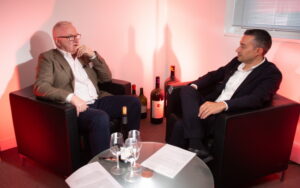
Mandy Girder, Partner, explains:
Sky, owned by Comcast, has agreed to acquire ITV’s UK broadcasting and streaming business – currently the deal excludes ITV Studios. But this risks the combined Sky/ITV dominating the UK’s media sector, which could negatively impact small indies
Why independent production companies are watching closely
While larger broadcasters may benefit from increased scale, the outlook is less certain for smaller independent production companies.
The UK’s independent production sector has long been recognised for its creativity and innovation, supplying programmes across entertainment, drama, factual television and documentaries.
Smaller indies would have fewer buyers to pitch to, and a combined Sky/ITV would have more bargaining power over them and their content. Larger indies may benefit from the Sky/ITV production budget, but smaller indies will struggle to compete with them for this funding. The UK’s diverse small independent media scene is an important part of its overall media landscape, and regulators must consider the risk this acquisition poses to it.
For many smaller producers, fewer commissioning options could mean increased pressure on commercial terms, reduced negotiating power and greater competition for available funding.
The role of ITV Studios
While ITV Studios is expected to remain outside of the deal, it would not be surprising if they had a preferred relationship with the newly combined Sky/ ITV, adding to this powerhouse even if ITV Studios appears to be separate. Sky has committed to a £2.1 billion contract over a 5-year period with ITV Studios for UK drama and entertainment.
This is positive for now as it means the UK TV industry will receive a large funding injection, but the long-term implications of this agreement for ITV Studios, the ownership and control of its content remain unclear.
Regulators are therefore likely to examine not only the structure of the acquisition itself but also how commercial relationships could influence competition over time.
A potential turning point for UK broadcasting
Beyond production, the proposed merger could also reshape the advertising market and the wider competitive landscape.
The Sky/ITV powerhouse would have significant advertising market power over traditional television advertising, and on the number of commissioning opportunities available for independent producers. That said, this acquisition would allow Sky to compete with global streaming platforms including Disney, Amazon and Netflix and it creates an opportunity in this respect.
The wider impact could extend beyond Sky and ITV alone.
As market dynamics evolve, other broadcasters may also look to strategic partnerships or consolidation to remain competitive.
Mandy concludes:
This could be a turning point for the media industry in the UK. A partnership between Sky and ITV may lead to other broadcasters having to follow suit in order to remain competitive and get the funding they need to survive in an already tough industry
What should businesses consider next?
Whether you operate within the media sector or work with creative businesses, this proposed acquisition is one to monitor closely.
Businesses should consider:
- How potential market consolidation could affect commissioning opportunities, advertising spend and commercial partnerships
- Whether existing business models rely heavily on a limited number of broadcasters or commissioners
- The potential impact of any regulatory remedies or conditions that could arise if the transaction proceeds
- How changes in the competitive landscape may create new opportunities, partnerships or funding models over the longer term
As the deal progresses through regulatory scrutiny, its outcome could influence the future structure of the UK’s broadcasting market for years to come. For businesses across the creative industries, understanding these developments early will be key to adapting and identifying opportunities in a changing media landscape.
Would you like to know more?
If you have any questions, please get it touch with your usual Blick Rothenberg contact or Mandy using the form below.
Contact Mandy


Technology and Media hub
The UK sits at the heart of global technology and media innovation
In a world where digital evolution is constant and disruption is the norm, businesses in the technology and media sectors face both unprecedented challenges and significant opportunities.
At Blick Rothenberg, our technology and media experts combine deep industry expertise with pragmatic solutions to help clients navigate the challenges they face and stay ahead.
You may also be interested in

UK screen sector recovery signals a more sustainable growth model

UK video games sector at a crossroads