






AI Is Not the Solution to Human Tax Error: Why Tailored Advice Remains Essential
Sean Drury argues AI’s role in tax advisory should be viewed as complementary rather than substitutive
AI Is Not the Solution to Human Tax Error: Why Tailored Advice Remains Essential
In an era where artificial intelligence (AI) is increasingly relied upon for decision-making across various sectors, the realm of tax advisory stands as a critical exception. Sean Drury emphasises that complex tax situations demand nuanced, human expertise rather than the generalised outputs of AI algorithms.
The Limitations of AI in Tax Advisory
Artificial intelligence, particularly generative tools like ChatGPT, has demonstrated remarkable capabilities in processing vast amounts of data and providing information summaries. However, when it comes to the intricacies of UK tax law, AI’s limitations become apparent.
AI systems often rely on data scraped from the internet, which may be outdated or inaccurate. A BBC study found that AI chatbots frequently produce responses with “significant issues,” including factual inaccuracies and misleading content, especially concerning current affairs. Such errors can have serious implications when applied to the ever-evolving landscape of tax legislation.
Moreover, AI lacks the ability to understand the unique circumstances of individuals or businesses. Tax situations often involve personal nuances and strategic considerations that require a human touch—qualities that AI cannot replicate.
Human Expertise: The Cornerstone of Effective Tax Advisory
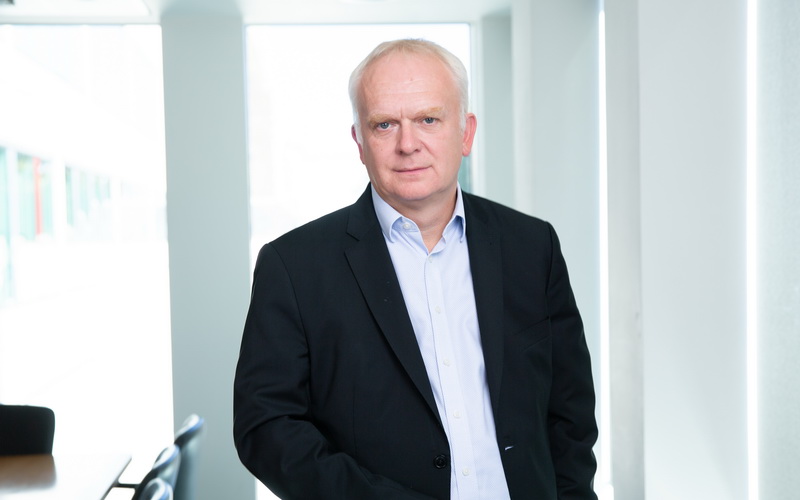
Sean Drury, a tax professional with over three decades of experience, recently joined Blick Rothenberg as a Partner responsible for the People Tax Advisory Practice. He emphasises the irreplaceable value of human judgment in tax advisory:
In the last 12 months tax has never been more newsworthy especially where the wrong judgements have been made. Many of these have been human mistakes, but this does not mean people should turn to AI.
Sean’s extensive background includes senior leadership positions at PwC, where he specialized in advising international executives. His decision to join Blick Rothenberg was driven by the firm’s commitment to providing thoughtful, tailored advice in an increasingly complex tax environment.
It takes a human being to understand an individual or businesses needs in a complete, holistic way and to fully grasp the UK’s complex and ever-changing tax system. AI is good at summarising information, but it cannot provide the judgment or nuance needed to negotiate a complex and evolving tax situation, or represent someone’s case to HMRC.
This perspective aligns with concerns raised by experts regarding the overreliance on AI in critical decision-making areas. For instance, a report by The Guardian highlighted that AI systems used by the UK government to detect benefits fraud exhibited biases based on age, disability, marital status, and nationality, leading to unfair treatment of certain groups. Such biases underscore the necessity for human oversight in sensitive matters like tax advisory.
The Future of Tax Advisory: A Collaborative Approach
While AI can serve as a tool to assist tax professionals by automating routine tasks and processing large datasets, the core of tax advisory must remain human-centric. The future of effective tax advisory lies in a collaborative approach, where AI supports human experts, but does not replace them.
Sean’s move to Blick Rothenberg signifies a commitment to this philosophy. He says:
I joined Blick Rothenberg as a Partner responsible for their People Tax Advisory Practice because of the firm’s focus on delivering thoughtful, tailored and specific advice to their clients in an ever-complicated tax world.
This approach ensures that clients receive personalised, accurate, and strategic tax advice, grounded in a deep understanding of their unique circumstances and the complexities of the tax system.
Conclusion: Embracing Technology Without Sacrificing Expertise
As AI continues to evolve and integrate into various sectors, its role in tax advisory should be viewed as complementary rather than substitutive. Blick Rothenberg’s emphasis on human expertise in tax advisory serves as a reminder that, despite technological advancements, the need for personalised, nuanced, and judgment-based advice remains paramount. In the realm of tax, human insight is not just valuable, it is indispensable.
For individuals and businesses navigating the complexities of the UK tax system, partnering with experienced professionals who understand the intricacies of both the law and their unique situations is crucial. At Blick Rothenberg, clients can be assured of receiving the thoughtful, tailored advice necessary to make informed decisions in an increasingly complex tax landscape.
Would you like to know more?
If you’d like to discuss the above, please speak to your usual Blick Rothenberg contact or Sean using the form below.
Contact Sean
You may also be interested in

Blick Rothenberg awarded top ranking again by eprivateclient

Six Blick Rothenberg Partners featured in Spears 500 2025